Pigmentation, Melasma & Dark Spots
Uneven tone is one of the slowest concerns to shift and the easiest to undo. Consistency and daily sun protection matter more than the strength of any single serum.
5 products
About pigmentation & dark spots
Pigmentation is not one condition, and the distinction matters because the three common types respond very differently. Post-inflammatory hyperpigmentation is the mark left behind after a spot, a scratch or a procedure; it fades on its own over months and topical products mainly speed that up. Sun-induced pigmentation — solar lentigines, the flat brown marks on cheeks, hands and décolletage — accumulates over years of UV exposure and responds reasonably well to consistent topical treatment plus rigorous sun avoidance. Melasma is the difficult one: larger symmetrical patches, often on the cheeks, forehead or upper lip, frequently linked to hormones and heat as well as UV, prone to relapse, and genuinely a medical rather than cosmetic problem. If you suspect melasma, a dermatologist is the right first call.
Read moreShow lessexpand_more
Whatever the type, the mechanism is the same. Melanocytes produce melanin in response to a trigger, and that melanin ends up distributed unevenly. Topical products intervene at various points: by interrupting the signalling that tells melanocytes to switch on, by inhibiting tyrosinase, by dispersing pigment that has already formed, or by increasing cell turnover so pigmented cells move up and off faster. Ingredients commonly used for this include tranexamic acid, niacinamide, vitamin C and its derivatives, glutathione, arbutin, azelaic acid and retinoids.
The part that gets skipped is sun protection, and skipping it makes everything else close to pointless. UV is the primary trigger for all three pigmentation types, and for melasma so is visible light and heat — which is why melasma often worsens over an Australian summer regardless of how good the routine is. Daily broad-spectrum SPF 50+, reapplied, plus a hat and shade, is not an optional extra alongside a brightening serum. It is the larger half of the intervention. Expect a realistic timeline of eight to twelve weeks before meaningful change on sun-induced pigmentation, longer for melasma, and expect maintenance to be permanent.
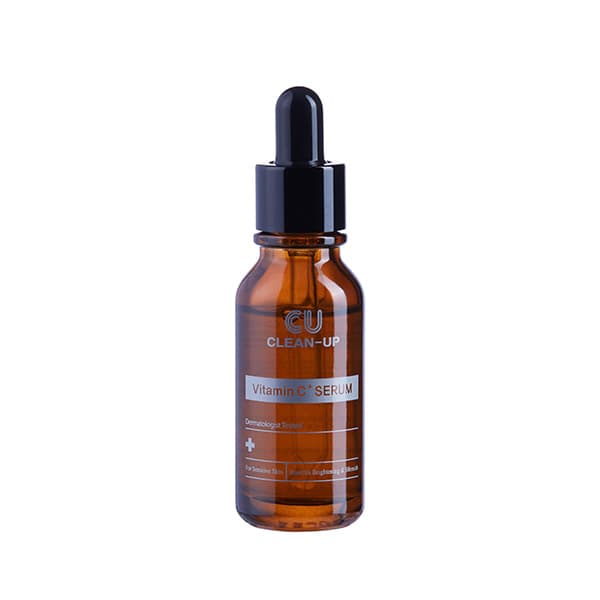
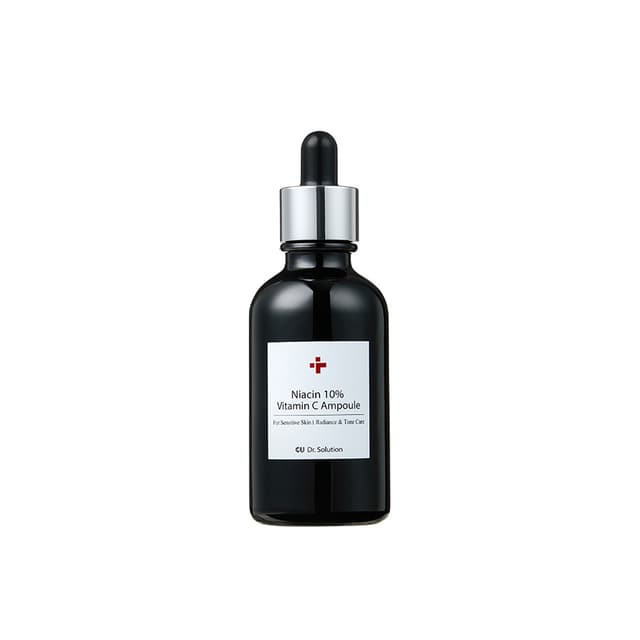
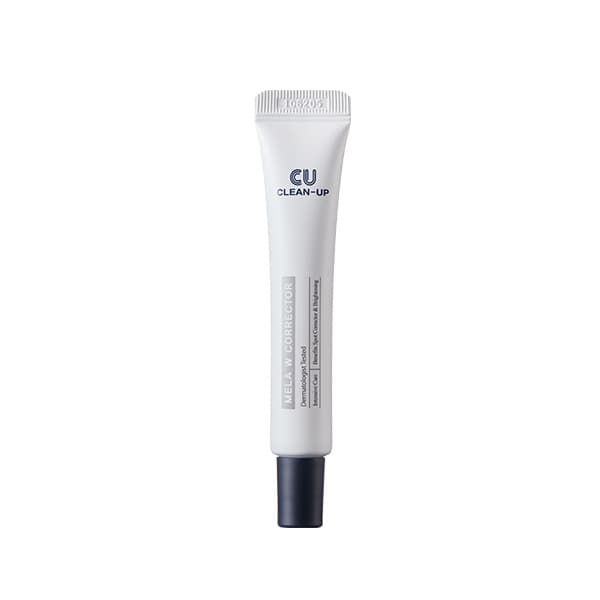
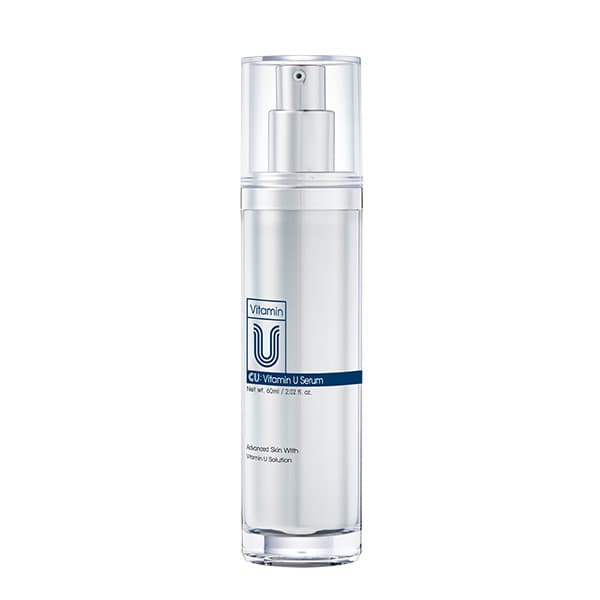
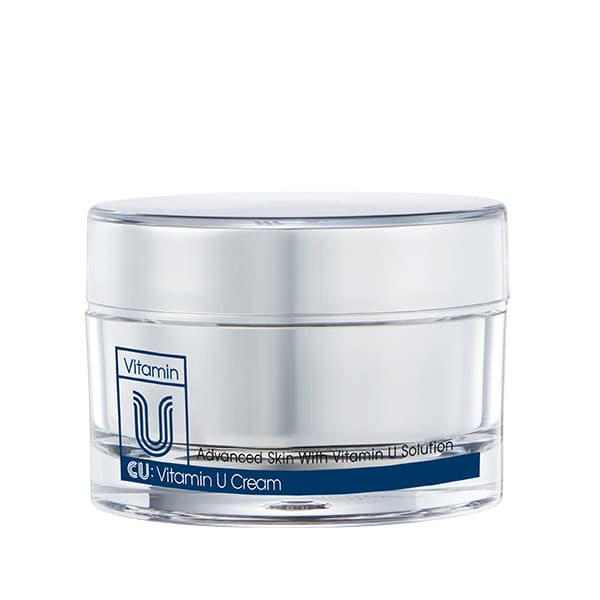
CUSKIN's range in this area includes tranexamic acid, niacinamide, stabilised vitamin C derivatives and glutathione across the Dr.Solution and Vitamin U lines, with the Mela W Corrector formulated specifically for targeted use on discrete marks. As with everything on this page, these are cosmetic products intended to improve the appearance of uneven tone — they are not a treatment for any medical condition, and persistent or changing pigmented lesions should be assessed by a doctor rather than managed with skincare.
Key ingredients
- Niacinamide (Vitamin B3)
Interferes with the transfer of pigment to surface skin cells.
- Vitamin C (Sodium Ascorbyl Phosphate)
A stabler derivative than L-ascorbic acid, better tolerated in daily use.
- Glutathione
An antioxidant widely used in Korean formulations aimed at tone and clarity.
Frequently asked questions
Does tranexamic acid work for melasma?
expand_more
Tranexamic acid is one of the more widely studied topical ingredients used for melasma and is a common component of dermatologist-recommended routines. Results vary considerably between individuals, melasma is prone to relapse, and topical skincare is usually one part of a plan rather than the whole of it. It is worth seeing a dermatologist if you think you have melasma.
How long does it take to fade dark spots?
expand_more
Post-inflammatory marks often fade noticeably over three to six months, with topical products speeding that along. Sun-induced pigmentation typically needs eight to twelve weeks of consistent use before visible change, and longer for full effect. Melasma is slower still and requires ongoing maintenance.
Can I use vitamin C and niacinamide together?
expand_more
Yes. The idea that they cancel each other out comes from decades-old research using unstable raw materials at high temperatures, and it does not reflect how modern formulations behave. Many products contain both deliberately. If your skin is very reactive, introducing them separately makes it easier to identify the source of any irritation.
Why does my pigmentation come back every summer?
expand_more
Because UV is the trigger, and in Australia the summer UV index is high enough to reverse months of progress in a few unprotected weeks. Melasma additionally responds to visible light and heat, so even diligent sunscreen users can see it worsen. Year-round daily SPF, reapplication, and physical shade are the difference between progress and a yearly reset.
Should I see a doctor about pigmentation?
expand_more
Yes if a mark is new, changing in size, shape or colour, has an irregular border, or bleeds — that is a skin-check question, not a skincare one, and Australia has good reason to take it seriously. Also worth seeing a professional for suspected melasma, and for pigmentation that has not responded to a consistent routine after several months.
Related collections
Related concerns
Not sure where to start?
Get a personalised routine in about a minute — free.
Take the free skin analysis