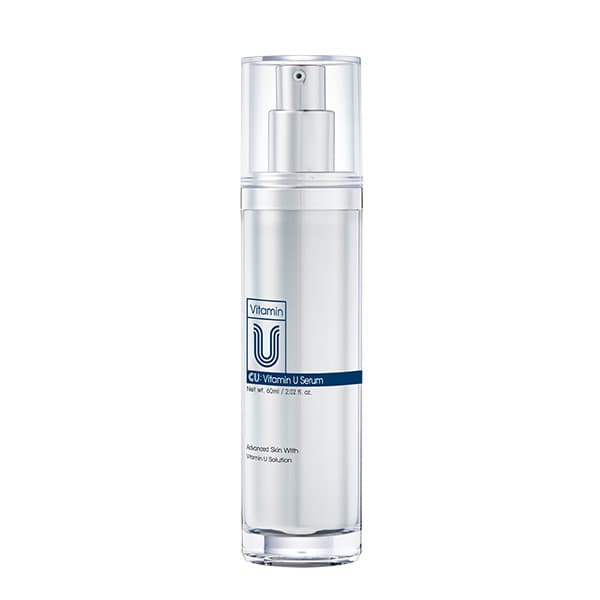
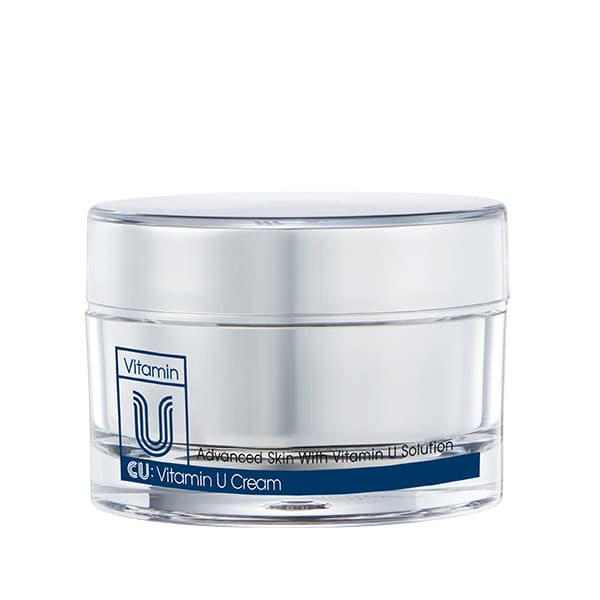
Cosmeceutical Skincare for Sensitive Skin
Reactive skin does not need weaker skincare. It needs better-designed skincare — fewer irritants, better-tolerated actives, and formulas that respect the barrier.
6 products
About sensitive skin
"Sensitive skin" covers several different situations that happen to look similar in the mirror. Some people have genuinely reactive skin that stings on contact with most products. Some have a temporarily damaged barrier from over-exfoliation, over-cleansing or a course of actives that escalated too quickly. Some have an underlying dermatological condition such as rosacea or eczema that needs a clinician rather than a serum. The routines that help are broadly similar, but the expectations should not be: barrier damage is fixable in weeks, constitutional sensitivity is something you manage rather than cure, and a medical condition needs a diagnosis.
Read moreShow lessexpand_more
There is a persistent assumption that sensitive skin should stick to the blandest possible products, and it is only half right. Removing irritants matters — fragrance, essential oils, denatured alcohol high in the ingredient list, aggressive foaming surfactants and physical scrubs are the usual suspects. But stripping a routine back to nothing indefinitely leaves the barrier without the lipids and humectants it needs to become less reactive over time. The more useful framing is not weaker but better tolerated: soothing actives at sensible concentrations, in low-irritant bases, introduced one at a time with several days between each addition.
This is where the cosmeceutical category earns its price, and where CUSKIN's positioning is more than a label. The formulas draw on soothing and anti-inflammatory ingredients that have a long history in clinical use — guaiazulene, centella asiatica, madecassoside, bisabolol, panthenol and ectoin — rather than on high-strength actives buffered after the fact. The brand's own CGMP-certified facility in Osong Bio Valley means formulation and manufacturing sit under one roof, and CUSKIN states every ingredient is tested on average three times, with each product validated over two or more years before release.
A practical note on patch testing, because reactive skin gets this wrong more often than not. Apply a small amount to the inner forearm or behind the ear, twice daily for three to five days, before it goes anywhere near your face. A single application is not a patch test — most reactions to skincare are cumulative rather than immediate, and a product that feels fine on day one can flare on day four.
Key ingredients
- Ceramide NP
One of the lipids the barrier is built from; useful when it is not holding water well.
- Panthenol (Vitamin B5)
A well-tolerated humectant common in formulas aimed at reactive skin.
- Niacinamide (Vitamin B3)
Widely used for barrier support — though at high percentages it can itself flush sensitive skin.
- Hyaluronic Acid
Hydration without the irritation risk that comes with most actives.
Frequently asked questions
What makes a skincare product suitable for sensitive skin?
expand_more
Less about any single hero ingredient and more about what has been left out: fragrance, essential oils, high-percentage denatured alcohol, harsh foaming surfactants and physical scrubs. Beyond that, look for soothing ingredients such as centella, madecassoside, panthenol and guaiazulene, and for actives held at moderate rather than maximal concentrations.
Is cosmeceutical skincare too strong for sensitive skin?
expand_more
Not inherently. Cosmeceutical describes formulation standards and active content, not aggression. A well-formulated cosmeceutical product at a moderate concentration is frequently better tolerated than a cheaper product carrying fragrance and a high alcohol content, because the irritants have been designed out.
How do I patch test a new product?
expand_more
Apply a small amount to the inner forearm or behind the ear twice a day for three to five days before using it on your face. Many reactions build up over repeated applications rather than appearing immediately, so a single test application tells you very little.
Can I use actives like retinol if my skin is sensitive?
expand_more
Often yes, with a slower approach — lower strength, two nights a week to begin with, applied over moisturiser, and only once the barrier is settled. Bakuchiol is a common starting point for people who find retinoids uncomfortable. If skin is currently flaring, get it calm first before introducing anything new.
Is my skin sensitive, or is my barrier just damaged?
expand_more
A useful distinction. Barrier damage usually has a cause you can point to — a new acid, too much exfoliation, a harsh cleanser — and typically settles within two to six weeks on a simplified routine. Genuinely sensitive skin reacts broadly and persistently regardless of what you change. Persistent redness, burning or visible vessels are worth showing to a dermatologist rather than self-treating.
Related collections
Related concerns
Not sure where to start?
Get a personalised routine in about a minute — free.
Take the free skin analysis