Skincare After Laser, Peels & Microneedling
Skin in the days after a professional treatment behaves nothing like skin on a normal Tuesday. This page covers what to use, what to pause, and why the order matters.
5 products
About post-procedure recovery
A laser session, a chemical peel or a microneedling appointment works by deliberately disrupting the skin's surface so it rebuilds. That is the point of the treatment — but it also means that for roughly three to fourteen days afterwards your barrier is temporarily compromised, water leaves the skin faster than usual, and ingredients that were perfectly comfortable last week can sting, flush or trigger a reaction. The single most common mistake is going straight back to a normal active routine because the redness has faded. Visible calm and a repaired barrier are not the same thing.
Read moreShow lessexpand_more
The general shape of a recovery routine is simple and deliberately boring. For the first two to three days, keep it to a non-foaming or low-foaming cleanse with lukewarm water, a barrier-supporting moisturiser, and daily sun protection once your clinician clears it. From roughly day four to day seven, you can reintroduce hydration and soothing ingredients — ceramides, ectoin, hyaluronic acid, panthenol — while still leaving actives out. From week two onwards most people can phase actives back one at a time, starting with the gentlest, and leaving retinoids, high-strength vitamin C and acid exfoliants until last. Reintroduce one product every three or four days so that if something does react, you know which one it was.
What to avoid in the early window is fairly consistent across treatment types: retinoids, AHAs and BHAs, high-percentage vitamin C, physical scrubs, fragrance, essential oils, and anything described as resurfacing. Hot showers, saunas, chlorinated pools and vigorous exercise are also worth pausing while the skin is still flushed, because heat drives redness. Your treating clinician's instructions always take precedence over general guidance — they know which device was used, at what setting, and on which skin type.
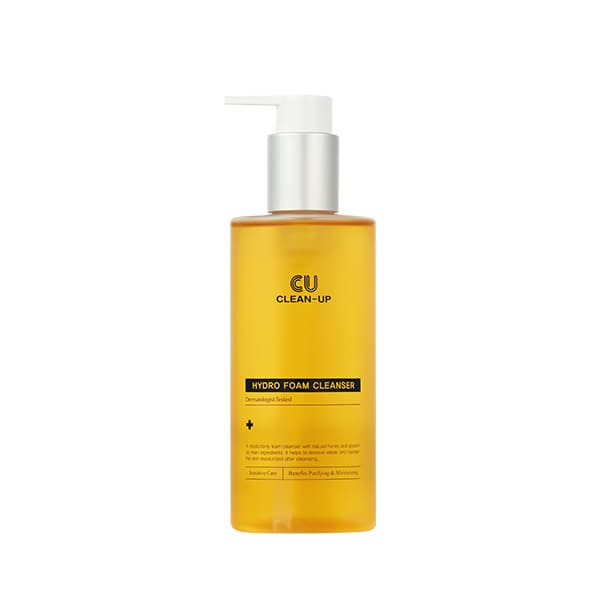
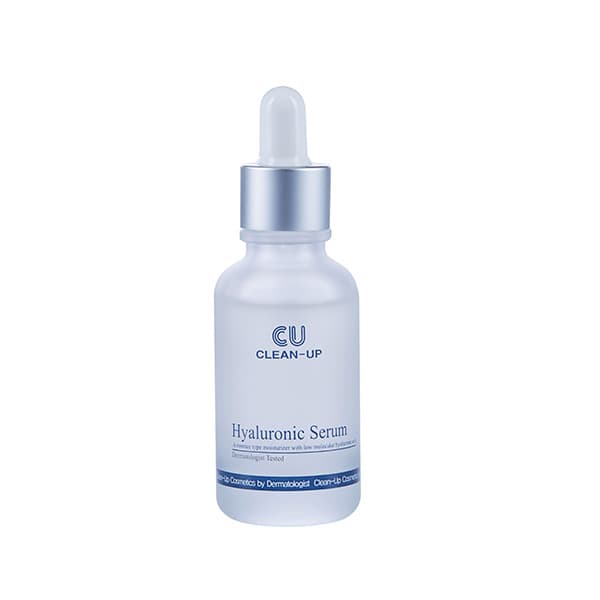
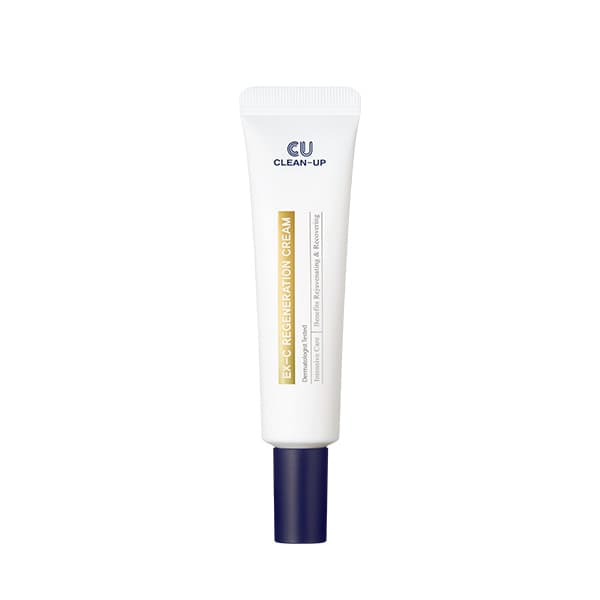
If you want one product for this window, it is the Ex-C Regeneration Cream. It was formulated for exactly this situation rather than adapted to it, and its ingredient list reads like a recovery brief: ectoin, an osmolyte that helps skin hold water and stay stable while it is stressed; ceramide NP, one of the lipids the barrier is actually built from; sh-Oligopeptide-1 (EGF), a signalling peptide; and shea butter to slow water loss from the surface. Ectoin is here because of what this cream is for. Pair it with a gentle cleanser, a pH-balancing toner and a hyaluronic serum and you have the whole first week covered.
From week two, once the skin is calm and you are reintroducing actives, the Vitamin U line becomes relevant. CUSKIN's patented Vitamin U complex (methylmethionine) sits alongside niacinamide and adenosine in the Vitamin U Serum and Cream, aimed at firmness, tone and fine lines. That is the right work for recovered skin and the wrong work for skin three days post-laser — niacinamide in particular is worth introducing slowly on a barrier that is still settling. Treat it as the step after this page, not during it.
CUSKIN's relevance here is a matter of lineage rather than marketing. The brand was developed inside CU Cleanup Dermatology, a Korean clinic group established in 2001 that now operates eight branches, and the formulas were built from clinical data gathered across those clinics — including for skin recovering from in-clinic procedures. Products are manufactured in CUSKIN's own CGMP-certified facility in Osong Bio Valley under ISO 22716 and MFDS certification, and shipped to Australian customers from Melbourne.
Key ingredients
- Ectoin
An osmolyte that helps skin hold water and stay stable under stress. Used in the Ex-C Regeneration Cream.
- Ceramide NP
A lipid naturally present in the skin barrier, useful while that barrier rebuilds.
- sh-Oligopeptide-1 (EGF)
A signalling peptide included in both the Ex-C and Vitamin U formulas.
- Shea Butter
An occlusive that slows water loss from the surface while the skin is losing it faster than usual.
Frequently asked questions
How long after laser treatment can I use my normal skincare?
expand_more
Most people keep to a minimal cleanse-moisturise-SPF routine for the first three days, reintroduce hydrating and soothing products from around day four, and phase actives back from week two — one product every three or four days. Timings vary considerably by device, setting and skin type, so follow the instructions from the clinician who performed your treatment.
What should I avoid after a chemical peel?
expand_more
In the early recovery window, avoid retinoids, AHAs and BHAs, high-strength vitamin C, physical scrubs, fragrance and essential oils. It is also worth pausing hot showers, saunas, spa pools and hard exercise while the skin is still flushed, since heat makes redness more pronounced.
Can I use vitamin C after microneedling?
expand_more
Not immediately. Vitamin C is an active and most protocols leave it out of the first week. When you do reintroduce it, a lower-strength, better-buffered formula is generally more comfortable than a high-percentage L-ascorbic acid serum. Check with your clinician first.
Which CUSKIN product is for post-procedure recovery?
expand_more
The Ex-C Regeneration Cream. It was formulated for skin after cosmetic procedures rather than adapted to it, and combines ectoin, ceramide NP, sh-Oligopeptide-1 (EGF) and shea butter — barrier support and water retention rather than actives. Ectoin is not used in any other CUSKIN product. It is a cosmetic product, not a medical one, and does not replace the aftercare protocol your clinic gives you.
When can I go back in the sun?
expand_more
Freshly treated skin is markedly more sun-sensitive, and sun exposure during recovery is the most common cause of post-treatment pigmentation. Daily broad-spectrum SPF, a hat and shade are standard advice for at least the first few weeks — again, defer to your clinician on when to restart sunscreen if the skin is still broken.
Related collections
Related concerns
Not sure where to start?
Get a personalised routine in about a minute — free.
Take the free skin analysis