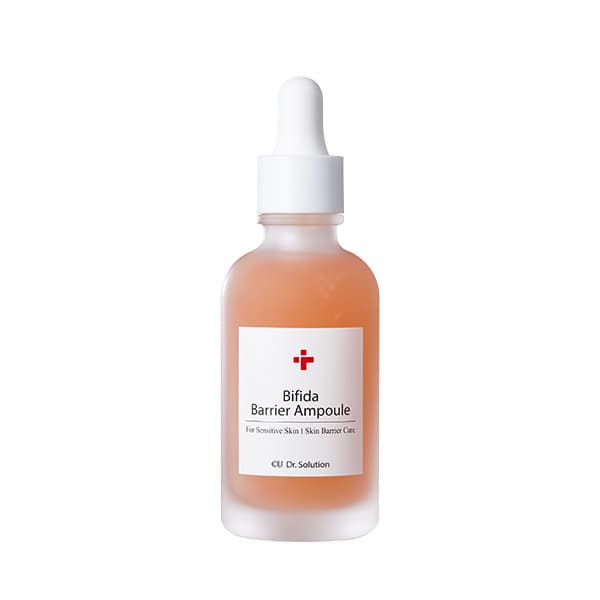
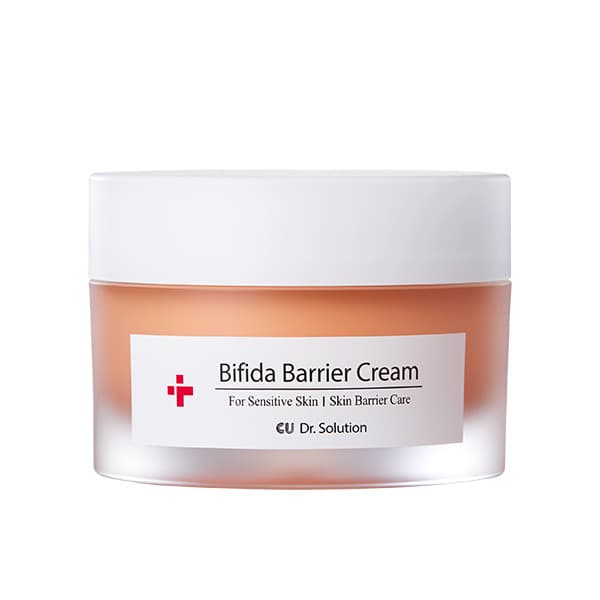
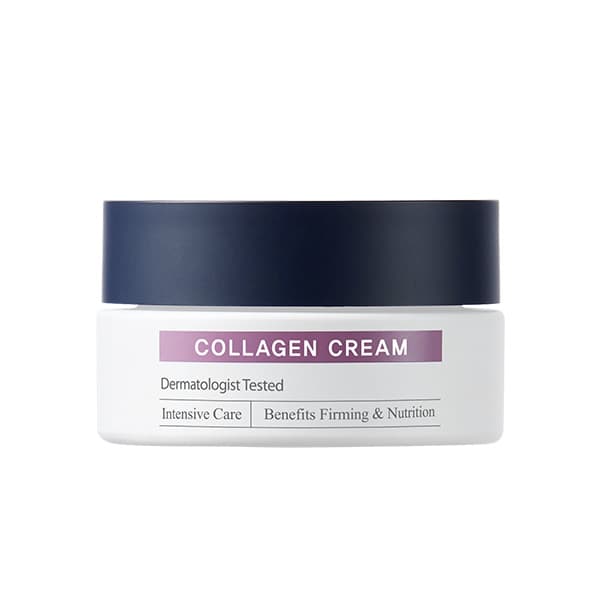
Skin Barrier Repair
Tight, stinging, flaky, weirdly shiny and dehydrated at the same time — the signs of a barrier that has stopped holding water. Usually fixable in a few weeks.
3 products
About skin barrier repair
The skin barrier is the outermost layer of the epidermis: flattened cells held together by a lipid matrix of ceramides, cholesterol and fatty acids. Its job is to keep water in and irritants out. When that matrix is depleted, water evaporates faster than it should and irritants that would normally be excluded start getting through. The result is a specific and recognisable cluster of symptoms — tightness after cleansing, stinging from products that used to be fine, rough or flaky patches, dehydration lines, and skin that manages to look oily and feel parched simultaneously.
Read moreShow lessexpand_more
Almost all barrier damage is self-inflicted, which is the good news, because it means it can be un-inflicted. The usual causes are over-exfoliation with acids or scrubs, too many actives introduced at once, cleansers that strip rather than clean, hot water, low humidity or air conditioning, and — very commonly — an escalating retinoid routine that went up in strength faster than the skin adapted. A course of in-clinic treatments can do it too. Once you identify the cause, the fix is largely a matter of subtraction.
A barrier recovery routine is short by design. A gentle, low-foaming cleanser once or twice a day with lukewarm water. A humectant layer — hyaluronic acid, glycerin, panthenol — onto damp skin. An occlusive-leaning moisturiser containing ceramides and fatty acids to hold it in. Daily sunscreen. That is the whole routine. Everything else comes out: acids, retinoids, high-strength vitamin C, scrubs, clay masks, cleansing brushes. Most people see meaningful improvement in two to four weeks, and something close to normal in six. If nothing has shifted after six weeks of genuine simplification, that is a reason to see a dermatologist, because persistent barrier dysfunction can be a sign of an underlying condition rather than a routine problem.
The single most common error in barrier repair is quitting the simplified routine as soon as the skin feels better and going straight back to the routine that caused the damage. Reintroduce actives one at a time, at the lowest useful strength, with three or four days between additions, and expect to end up on a less aggressive routine than the one you started with. CUSKIN's barrier-focused formulas lean on ceramides, panthenol, ectoin and madecassoside, and the moisturisers in the Clean-Up and Vitamin U lines are formulated as daily-use products rather than short-course treatments.
Key ingredients
- Ceramide NP
Replaces one of the lipids the barrier matrix is actually made from.
- Panthenol (Vitamin B5)
Humectant and skin-conditioning agent; standard in barrier formulas.
- Hyaluronic Acid
Holds water in the upper layers while the lipid matrix rebuilds.
- Niacinamide (Vitamin B3)
Supports the skin's own lipid production at moderate concentrations.
Frequently asked questions
How long does it take to repair a damaged skin barrier?
expand_more
Most people notice a clear improvement within two to four weeks on a simplified routine, and something close to normal by six. The variable is whether the cause has actually been removed — carrying on with the acid or retinoid that caused the damage will keep resetting the clock.
What are the signs of a damaged skin barrier?
expand_more
Tightness after cleansing, stinging from products that were previously comfortable, rough or flaky patches, increased redness, dehydration lines, and skin that feels oily and dry at the same time. Sudden new sensitivity to a long-standing product is a particularly reliable signal.
Should I stop using retinol if my barrier is damaged?
expand_more
Generally yes, temporarily. Pause retinoids, acids and high-strength vitamin C until the skin is comfortable again, then reintroduce one at a time at a lower frequency — two nights a week rather than nightly — and build up only as the skin tolerates it.
What ingredients help repair the skin barrier?
expand_more
Ceramides, cholesterol and fatty acids replace what the matrix is made of. Humectants such as hyaluronic acid, glycerin and panthenol hold water in the upper layers. Niacinamide at moderate concentrations supports the skin's own lipid production. Soothing ingredients like centella and madecassoside help with the associated redness.
Can I still wear sunscreen with a damaged barrier?
expand_more
Yes, and you should — compromised skin is more vulnerable to UV, not less. If your usual sunscreen stings, a mineral-based formula over a moisturiser is generally better tolerated than a high-alcohol chemical one during recovery.
Related collections
Related concerns
Not sure where to start?
Get a personalised routine in about a minute — free.
Take the free skin analysis