Post-Procedure
What to use after a chemical peel — and what makes peeling worse
A peel is the one treatment where the visible recovery tempts people into making it worse. The flaking stage is not a problem to be solved — it is a stage to be left alone.
A chemical peel is unusual among skin treatments in that you watch it work. For a few days the skin tightens, darkens slightly, then begins to shed. That visibility is exactly the problem: peeling looks like something you are supposed to help with.
You are not. The single most damaging thing anyone does after a peel is accelerate a stage that was going to finish on its own.
As always, your clinician chose the acid, the concentration and the contact time, and their aftercare beats a general article. This is the shape of the week, not a substitute for their instructions.
What a peel has actually done
A superficial peel loosens the bonds holding the outermost layer of dead cells together, so that layer releases over the following days. A medium-depth peel reaches further.
Either way, for a period afterwards you are wearing a thinner and less capable barrier than usual. It holds water badly and lets things in that it would normally keep out. Every recommendation below follows from that one fact.
Days 1–2: the quiet phase
The skin usually looks fine and feels tight. This is the window before shedding starts, and the temptation is to conclude the peel did not take. Do nothing differently.
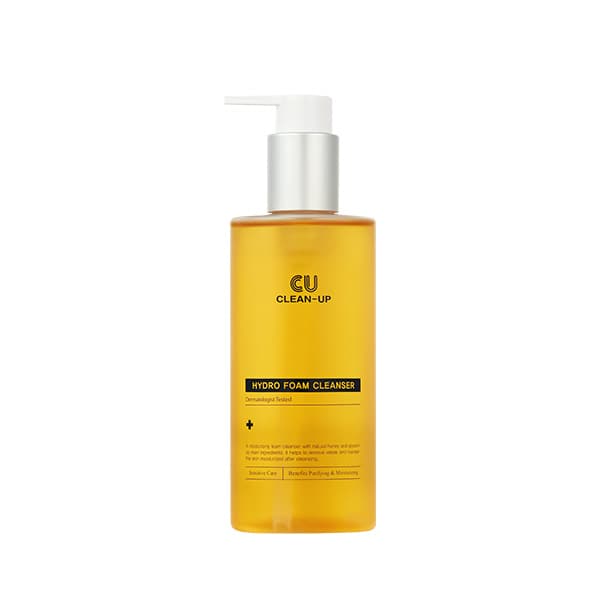
Cleanse once a day at most, with fingertips, lukewarm water, and a low-foaming cleanser — or skip cleanser entirely if the clinic advised it.
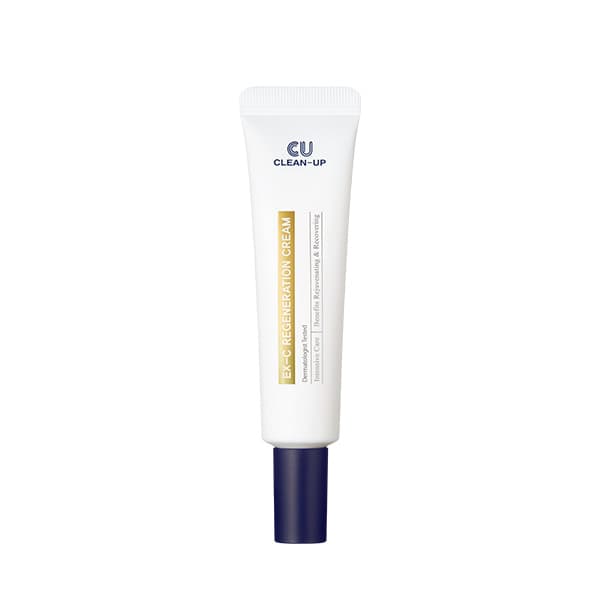
Then hydrate and seal. A recovery cream applied generously, reapplied whenever tightness returns.
No actives of any kind. Not vitamin C, not niacinamide, not an exfoliating toner, and emphatically not another acid.
Days 2–7: the shedding phase, and the rule that matters
Flaking begins, usually around the mouth and nose first. Three rules cover this entire stage:
- Do not pull. If a flake catches on clothing, trim it with clean scissors. Skin that has not finished lifting is still attached to living tissue, and removing it early is the mechanism behind most post-peel scarring and uneven pigment.
- Do not exfoliate. No scrubs, no acids, no cleansing brushes, no washcloths, no "gentle" enzyme masks. Nothing that speeds shedding.
- Keep it damp. Dry flaking skin catches and tears. Well-moisturised flaking skin releases cleanly.
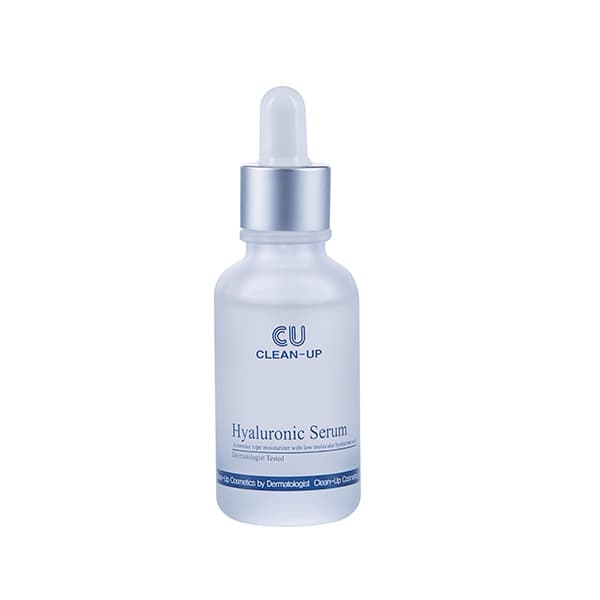
More moisture is the only intervention available to you, and it genuinely helps. A hyaluronic serum on damp skin under your cream gives the flaking layer something to release into.
Not sure where to start?
Get a personalised routine in about a minute — free.
Take the free skin analysisDays 7–14: rebuilding, in order
Once shedding has finished the skin underneath usually looks excellent — this is the part people book peels for. It is also more fragile than it looks, and this is where an over-confident return to the old routine undoes things.
The order that works:
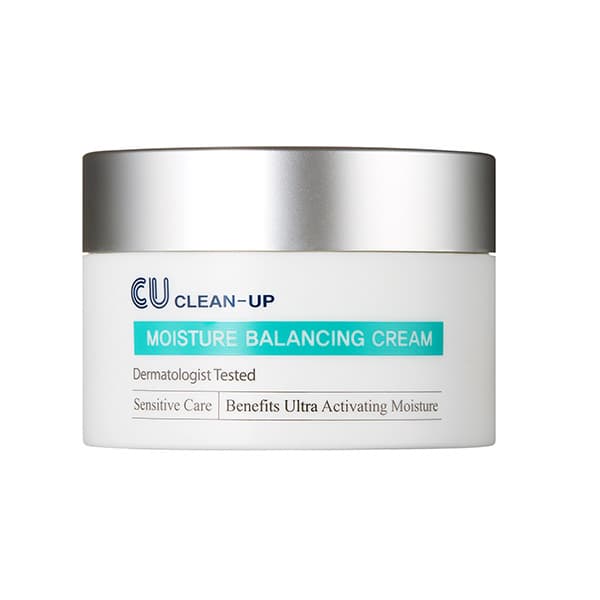
- Everyday moisturiser first. Once the raw stage has passed, a richer cream is the right next step, and niacinamide at moisturiser levels is well tolerated here.
- Then vitamin C, ideally a derivative rather than a low-pH L-ascorbic acid formula — the reasoning is in the microneedling article, and it applies identically after a peel.
- Then anything exfoliating, last of all. If your pre-peel routine included a daily acid toner, consider whether it needs to come back daily. A great many people who peel regularly are also over-exfoliating in between.
- Retinoids last, and often not until your clinician says so.
One product every three days. If something stings, you know which one.
Sun, and why this one is different in Australia
Freshly revealed skin has less pigment protection than the layer it replaced, and a peel is frequently done because of pigmentation. Sun exposure in the fortnight afterwards is the fastest way to get back the exact problem you paid to reduce.
Ask your clinician when sunscreen can go directly on the treated skin. Until then, shade and a hat are not a lesser option — they are the reliable one.
If it is stinging when it should not be
Stinging past the first few days, or stinging from a product you have used for years, means the barrier has not recovered as far as the calendar suggests. There is a separate article on what stinging is telling you, and the short version is: strip the routine back, not up.
This article describes general cosmetic skincare practice and is not medical advice. CUSKIN products are cosmetic products. If you have had a procedure, follow the aftercare instructions from the clinician who performed it.
Ingredients mentioned
Frequently asked questions
Should I peel the flaking skin off after a chemical peel?
expand_more
No. The flaking is the treated layer releasing on its own schedule, and pulling skin that has not finished lifting takes living tissue with it. That is the mechanism behind most post-peel scarring and uneven pigmentation. If a flake catches on clothing, trim it with clean scissors rather than pulling.
How long does peeling last after a chemical peel?
expand_more
For a superficial peel, typically three to seven days, starting around day two or three. Medium-depth peels run longer. Peeling that has not started by day four is not a sign the peel failed — plenty of effective superficial peels produce very little visible shedding at all.
Can I wear makeup after a chemical peel?
expand_more
Most clinicians ask you to wait until the shedding has finished, commonly around day five to seven. Makeup itself is not the issue so much as removing it, which involves exactly the rubbing the skin cannot tolerate yet.
Why is my skin more sensitive weeks after a peel?
expand_more
A peel removes part of the outer layer, and the replacement takes longer to reach full function than it does to look normal. Skin can look completely recovered at day ten and still react to a product it tolerated before. Rebuilding slowly, one product at a time, is the fix.
Can I have a peel and use retinol in the same week?
expand_more
No. Retinoids are usually stopped several days before a peel and are typically the last thing reintroduced afterwards, often two weeks or more. Doing both at once is the classic route to a barrier problem that takes far longer to settle than the peel itself.