Post-Procedure
Can I use vitamin C after microneedling?
It is the question every clinic gets the day after. The honest answer depends less on how long you wait and more on which vitamin C you own.
Microneedling is the treatment people are most impatient to build on. The appointment feels productive, the redness settles faster than after a laser, and within a couple of days the skin looks well enough that the full routine seems reasonable again. So the question arrives, usually by text, usually on day three: can I use my vitamin C yet?
The answer most clinics give is a number of days. That is a reasonable rule of thumb and a poor explanation, because it hides the thing that actually decides it — not how long you wait, but which vitamin C you own.
As with everything here: your clinician saw your skin and knows the depth they treated at. Where their instructions differ from this article, follow theirs.
What microneedling actually leaves behind
A microneedling pen makes a very large number of very small channels in the skin. Those channels close over within a few hours. What takes longer to return is the skin's ordinary competence at its day job — holding water in and keeping irritants out.
For roughly three to five days after a superficial treatment, and longer after a deeper one, anything you apply penetrates further and faster than it was formulated to. That is the whole risk profile in one sentence. A product that is perfectly gentle on intact skin can sting badly on day two, and that is a statement about your barrier, not about the product.
The first 48 hours: hydrate and protect, nothing else
Two layers, twice a day.
A watery hydrating layer first, applied while the skin is still damp, with flat fingers and no rubbing. This is where a pH-balancing toner belongs — it puts water back and asks nothing in return.
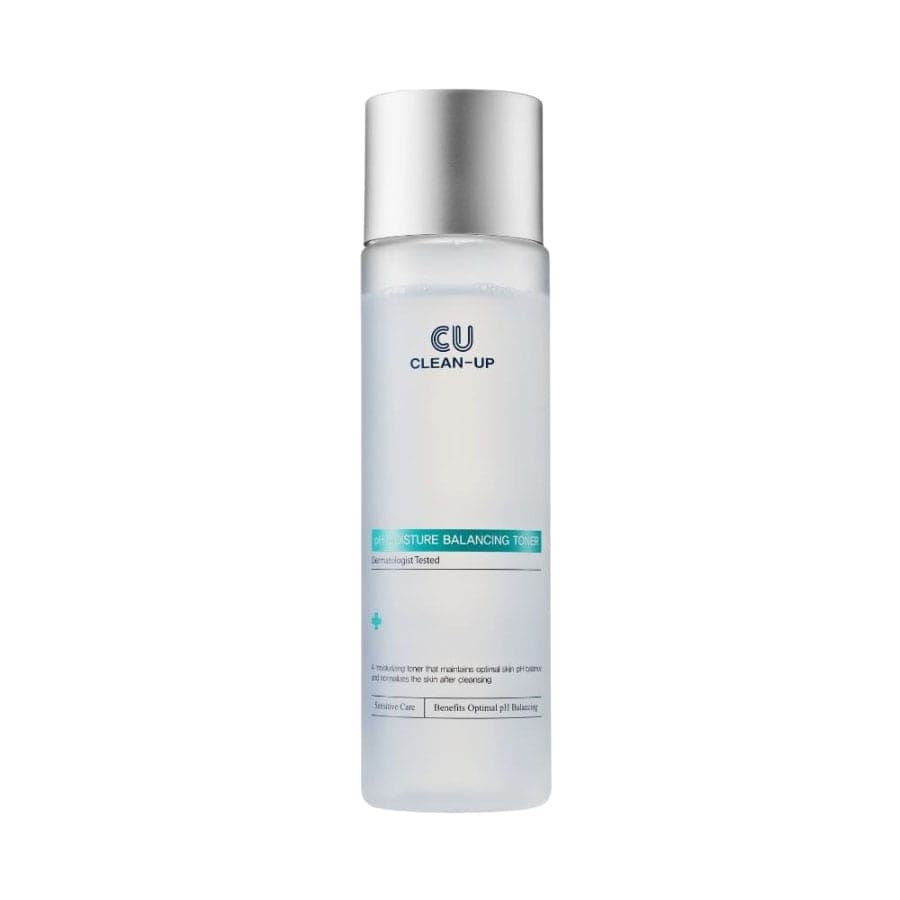
Then a barrier-supporting cream over the top, reapplied whenever the skin feels tight.
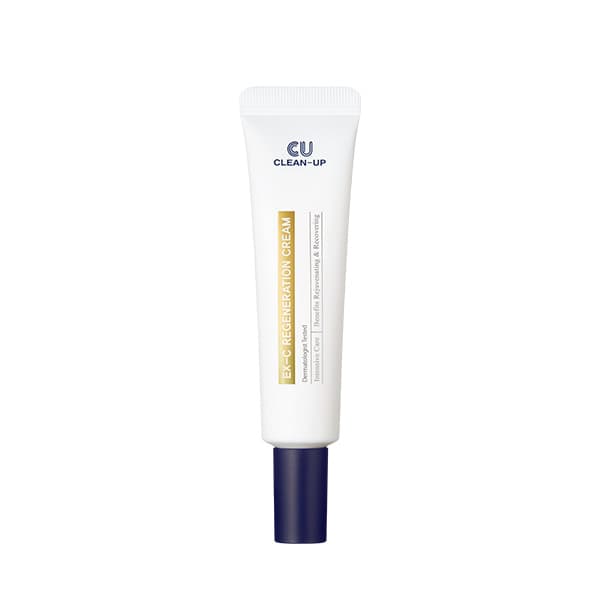
Ectoin is the reason this particular cream suits the window. It is an extremolyte that works by organising water molecules around itself rather than by acting on the skin — useful when the skin is in no state to be acted upon. Ceramide NP and shea butter do the sealing.
Skip cleanser entirely on day one if the clinic has not told you otherwise. Lukewarm water is enough.
Days 3–5: hyaluronic acid, still no actives
By day three most people are past stinging and into dryness. Now a hyaluronic serum earns its place: sodium hyaluronate is a humectant, not an active, so it draws water in without asking the barrier to process anything.
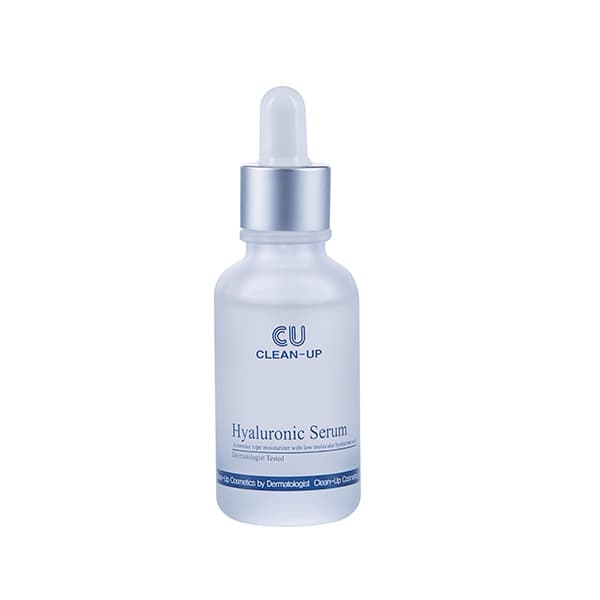
Apply it to damp skin and seal it. Applied to dry skin in a dry room it can pull moisture the wrong way and leave the skin tighter than before — a small detail that accounts for a lot of the "hyaluronic acid doesn't work for me" complaints.
This is also the stage where flaking starts. Leave it alone. It resolves.
Not sure where to start?
Get a personalised routine in about a minute — free.
Take the free skin analysisThe vitamin C question, properly answered
Here is the part the day-count rule leaves out.
Not all vitamin C is the same molecule. L-ascorbic acid — the form in most high-strength vitamin C serums — is only stable at a low pH, somewhere around 3.5. That acidity is doing formulation work, not skincare work, but your freshly needled skin cannot tell the difference. It stings because it is acidic, not because vitamin C is dangerous.
Derivatives behave differently. Sodium ascorbyl phosphate, the form in our own vitamin C serum, is stable much closer to skin pH. It is milder on contact, and correspondingly gentler in this window.
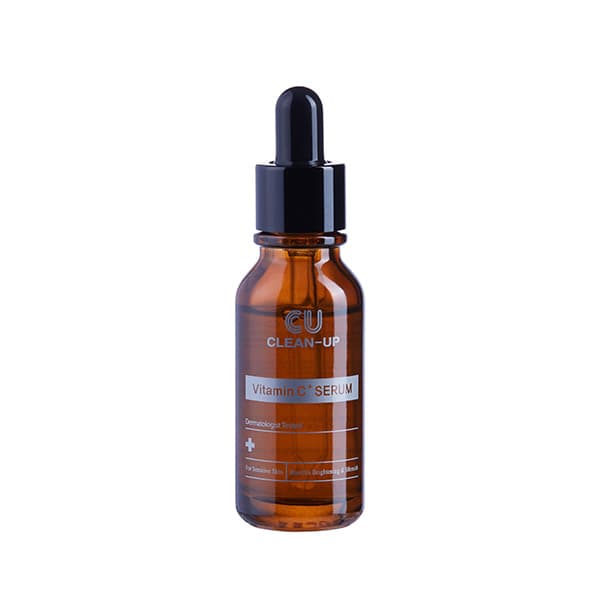
So the practical guidance:
| If your vitamin C is… | Typical earliest return |
|---|---|
| L-ascorbic acid, 10–20%, low pH | Day 10–14, and patch it first |
| A derivative (sodium ascorbyl phosphate, ascorbyl glucoside) | Day 5–7, if nothing else stings |
| Combined with an acid or an exfoliant in the same product | Treat it as an exfoliant — day 14 |
And the test that beats every number in that table: if a plain hydrating layer still stings, nothing active goes on. The skin is telling you where it is, and it is more reliable than a calendar.
Reintroducing everything else
One product every three days, so that if something stings you know which one. Hydration and barrier products stay throughout — they are not the temporary part of the routine, they are the part you were probably under-doing before.
The fuller order, and the equivalent timeline for laser resurfacing, is in the day-by-day guide. If things are stinging when they should not be, that has its own article.
Sunscreen is not optional here
Microneedling does not thin the skin the way resurfacing does, but it does leave it more reactive to UV for a week or so, and post-inflammatory pigmentation is the most common avoidable complication in Australian conditions. Ask your clinic when you can apply sunscreen directly to the treated area. Until then: shade, a hat, and no midday sun.
This article describes general cosmetic skincare practice and is not medical advice. CUSKIN products are cosmetic products. If you have had a procedure, follow the aftercare instructions from the clinician who performed it.
Ingredients mentioned
Frequently asked questions
How long after microneedling can I use vitamin C?
expand_more
Commonly around five to seven days for a superficial treatment, and closer to ten to fourteen for a deeper one — but ask the clinic that treated you, because needle depth changes the answer considerably. The more useful test is your skin: if it still feels tight or stings with a plain hydrating layer, it is not ready for an active of any kind.
Is vitamin C bad for skin after microneedling?
expand_more
Not inherently. The problem is timing and formulation. L-ascorbic acid needs a low pH to stay stable, and that acidity is what stings on freshly needled skin. Milder derivatives such as sodium ascorbyl phosphate sit closer to skin pH, which is why they are usually tolerated earlier — though earlier still is not day one.
What should I put on my face immediately after microneedling?
expand_more
For the first 24 to 48 hours, as little as possible: a hydrating layer and a barrier-supporting cream, applied with clean hands and no rubbing. Channels created by the needles close over within hours, but the skin's ability to keep irritants out takes days to return, so everything you apply reaches further than usual.
Can I use hyaluronic acid after microneedling?
expand_more
Usually yes, and it is one of the first things most clinicians allow back. Hyaluronic acid is a humectant rather than an active — it holds water rather than acting on the skin — so it asks very little of a compromised barrier. Apply it while the skin is still damp and seal it with a cream.
Why does my skin look worse a few days after microneedling?
expand_more
Dryness, roughness and fine flaking around days three to five are a normal stage, not a setback, and they resolve on their own. The instinct to exfoliate them away is the single most common way a good result becomes a patchy one.