Post-Procedure
What to put on your skin after laser: a day-by-day guide
You have just spent several hundred dollars on a treatment, and the fortnight that follows decides how much of it you keep. Here is what to apply, what to leave alone, and when.
You have just spent several hundred dollars on a treatment. The fortnight that follows decides how much of it you actually keep.
Most people get this wrong in one of two directions. They either do nothing at all, and let the skin dry out and tighten, or they reach for everything in the cabinet — vitamin C, retinol, an exfoliating toner — on the theory that if the skin is renewing itself, this is the moment to help it along. Both cost you comfort, and the second can cost you the result.
What follows is a general timeline for non-ablative fractional laser and similar resurfacing treatments. It is not a substitute for the aftercare instructions your clinician gave you. Where the two disagree, follow your clinician — they saw your skin and know the settings they used.
The first 72 hours: less is more
Immediately after resurfacing, the outer layer of your skin is doing a job it is not equipped for. It is warm, it is tight, and it has lost much of its ability to hold water in and keep irritants out. Everything you apply reaches deeper than it normally would.
So the goal for three days is not to improve anything. It is to keep the skin comfortable, damp and undisturbed, with the shortest ingredient list you can manage.
Three rules cover most of it:
- Nothing with a purpose beyond moisture. No acids, no vitamin C, no retinol, no niacinamide, no exfoliation of any kind — physical or chemical.
- Nothing with fragrance or essential oils, including "natural" ones. A compromised barrier does not distinguish between a synthetic fragrance and a botanical one.
- Nothing that requires rubbing. Press products in with flat fingers. No cloths, no brushes, no massage tools.
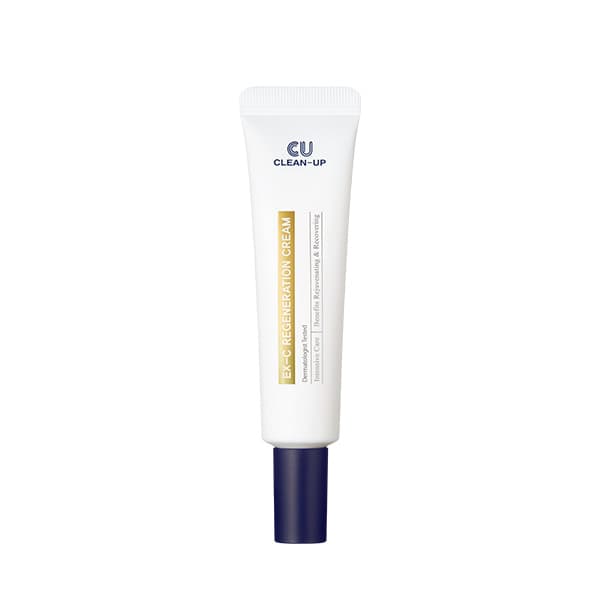
Ectoin is worth knowing about here. It is an extremolyte — a molecule bacteria produce to survive extreme conditions — and it works by organising water molecules around itself rather than by acting on the skin. That is a useful property when the skin is in no state to be acted upon. Ex-C pairs it with ceramide NP, an EGF-style peptide and shea butter. There is a longer explanation in what ectoin actually does.
Days 1–3: cleanse, hydrate, protect
The routine is three steps, morning and night, and nothing else.
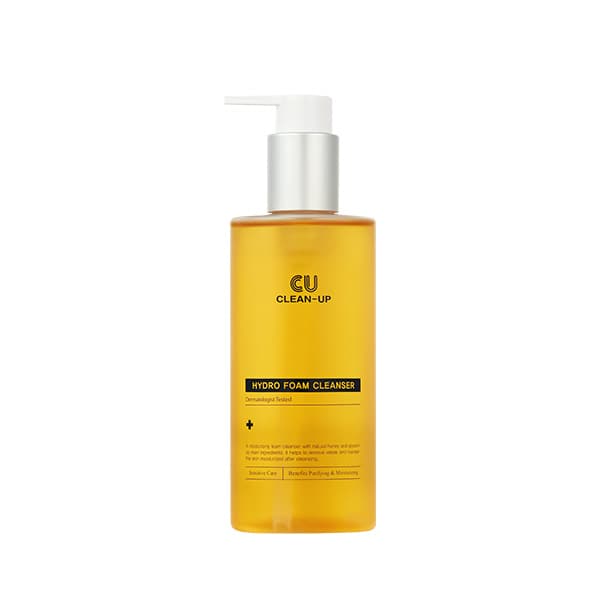
Cleanse — or don't. For the first day or two, many clinicians prefer plain lukewarm water. When you do return to a cleanser, it should be a low-foaming one used with fingertips only, rinsed with lukewarm water, and patted — not wiped — dry.
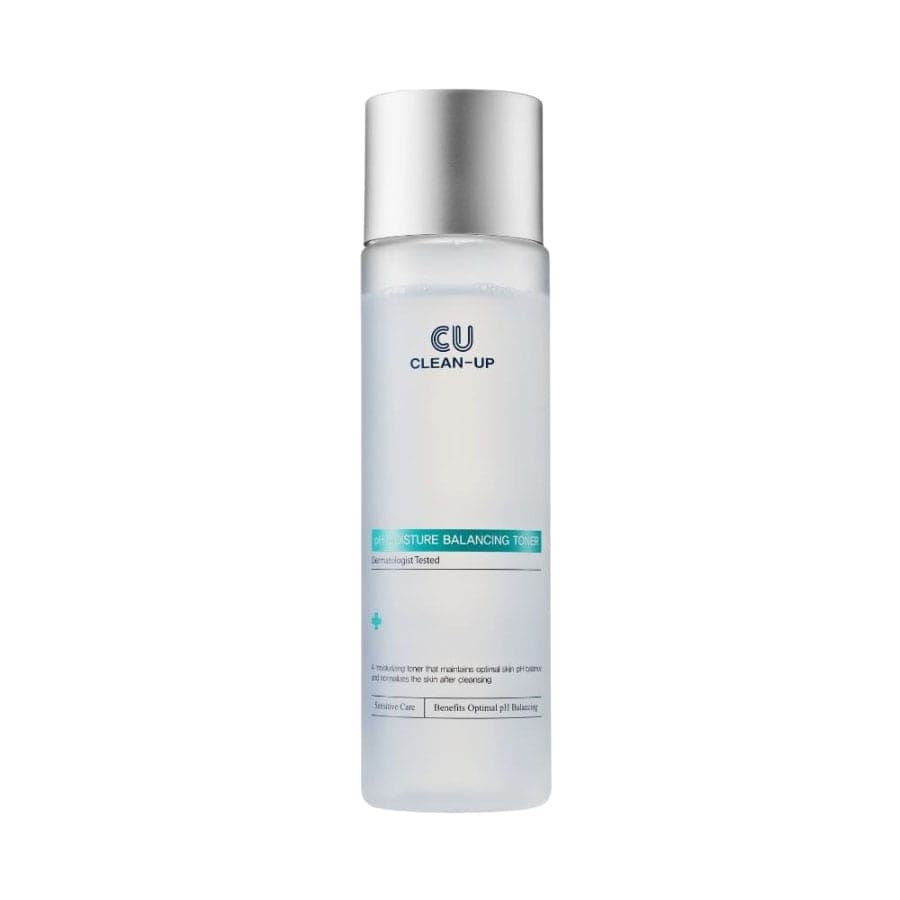
Hydrate. A thin, alcohol-free hydrating layer while the skin is still damp from cleansing. This is where a pH-balancing toner earns its place: it puts water back without asking the skin to do anything.
Protect. Then the recovery cream, applied generously and reapplied whenever the skin feels tight. Tightness is the signal to reapply; there is no such thing as too often in this window.
And sun. Ask your clinician when you can apply sunscreen directly to the treated area — it varies by procedure. Until you have that answer, physical avoidance does the job: shade, a wide-brimmed hat, and no midday sun. In Australia this is the single most consequential line in this article. Post- inflammatory pigmentation is the most common avoidable complication, it is far easier to prevent than to correct, and our UV index does not care that your skin is busy.
Not sure where to start?
Get a personalised routine in about a minute — free.
Take the free skin analysisDays 4–7: reintroducing moisture, not actives
By the end of the first week the skin usually stops feeling raw and starts feeling dry and rough instead, often with fine flaking. That is a normal stage, and it is the point at which people reach for an exfoliant. Don't. The flaking resolves on its own, and helping it along mechanically is how a good result becomes a patchy one.
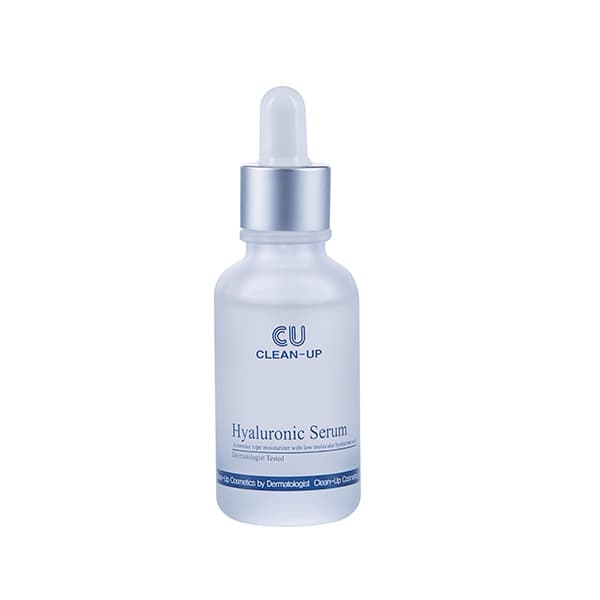
What the skin does want now is water it can hold onto. A hyaluronic serum under your recovery cream gives it that — sodium hyaluronate draws water in, and the cream above it slows the rate at which that water leaves.
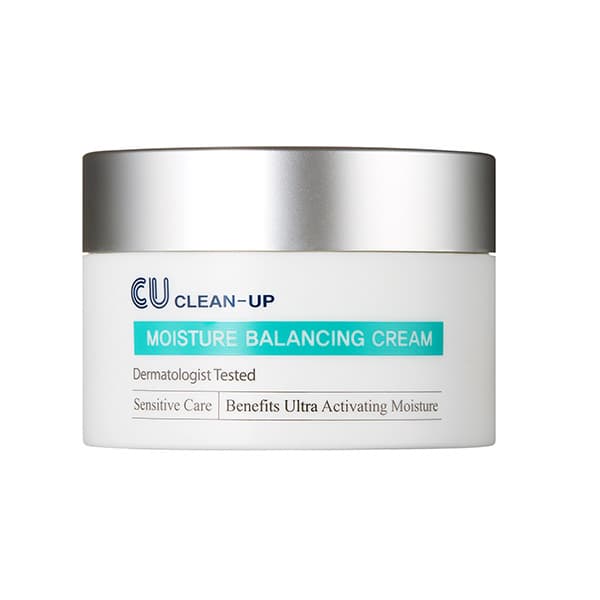
Note what is not in this step: a richer everyday moisturiser. Most of them, including our own Moisture Balancing Cream, carry niacinamide. That is an excellent ingredient and a poor choice for day five. It waits for week two.
One thing worth applying only in this window: if the skin still stings when you apply anything at all, go back to the day-one routine for another two days. The timeline is a guide, not a schedule. Skin that is still reactive on day six is common and is not a sign anything went wrong.
Week two: when actives can come back
Around day 10 to 14, most people can begin reintroducing the routine they had before — one product at a time, one every three days, so that if something stings you know which one.
The order that tends to work:
- Barrier and hydration first — the products above stay, they are not temporary.
- Your everyday moisturiser next. This is the point at which a richer cream with niacinamide in it becomes helpful rather than premature.
- Then peptides and renewal-oriented products. This is where the Vitamin U range fits: methylmethionine and an EGF-style peptide are aimed at renewal rather than exfoliation, so they ask less of the skin than an acid does.
- Vitamin C, then retinoids last. Retinoids are usually the final thing to return, and often not until your clinician says so. There is more detail on the vitamin C question in what to use after microneedling — the form of vitamin C matters more than most people expect.
Note the deliberate gap. Vitamin C and other actives are excellent products. They are the wrong products for week one, and putting them back too early is the most common way people undo a treatment they have already paid for.
What to avoid, and for how long
| Avoid | Until roughly |
|---|---|
| Exfoliants, scrubs, cleansing brushes | Day 14, and reintroduce gently |
| Vitamin C, AHAs, BHAs | Day 10–14, one at a time |
| Retinoids | Day 14+, or when cleared |
| Fragrance and essential oils | Throughout, and preferably after too |
| Makeup on the treated area | Day 5–7, or when cleared |
| Saunas, hot showers, heavy exercise | Day 3–5 — heat prolongs redness |
| Swimming pools and spas | Day 7–10 |
| Picking or pulling flaking skin | Always |
When to call your clinician
Some redness, tightness, swelling and flaking are expected. These are not:
- Spreading redness, heat or pain that increases rather than settles after day three
- Yellow crusting, pus, or any discharge
- Fever
- Blistering that was not described to you as expected
- Pigment changes appearing in the weeks afterwards, darker or lighter
None of these are common, and all of them are far easier to address early. Contact the clinic that performed the treatment rather than waiting to see.
This article describes general cosmetic skincare practice and is not medical advice. CUSKIN products are cosmetic products. If you have had a procedure, follow the aftercare instructions from the clinician who performed it.
Ingredients mentioned
Frequently asked questions
How long after laser can I use vitamin C?
expand_more
Most clinicians ask you to wait until the skin has stopped feeling raw and any flaking has finished — commonly around day 10 to 14 for a fractional treatment. Vitamin C is an acid at the pH it needs to be effective, and applying it to freshly resurfaced skin usually stings. Reintroduce it on its own, on one day, and see how the skin responds before returning to your full routine.
Can I use a sheet mask after laser treatment?
expand_more
Not in the first few days. Sheet masks sit wet against the skin for fifteen minutes, which is exactly the condition compromised skin does not want, and most contain fragrance or a preservative system chosen for a normal barrier. Wait until the skin is no longer weeping or flaking and your clinician has cleared it.
Why does my skin sting when I apply moisturiser after a treatment?
expand_more
Resurfaced skin has lost part of its outer layer, so ingredients that normally sit on top now reach nerve endings directly. Stinging most often comes from alcohol, fragrance, essential oils or a low-pH active. A product can be perfectly gentle on intact skin and still sting on day two — that is about the state of your barrier, not the product's quality.
Should I stop wearing sunscreen while my skin is healing?
expand_more
No — sun protection matters more after a treatment, not less, and post-inflammatory pigmentation is the most common avoidable complication in Australian conditions. Ask your clinician when you can apply sunscreen directly. Until then, physical avoidance does the work: shade, a hat, and staying out of midday sun.
Is Korean post-procedure skincare different from what my clinic sells?
expand_more
The philosophy differs more than the ingredients do. Korean dermatology clinics tend to treat the fortnight after a procedure as a distinct routine with its own products, rather than a gentler version of the usual one — barrier support first, and no stimulation until the skin asks for it.