Post-Procedure
Why your skin stings after a treatment — and what to stop using
A product you have used happily for two years suddenly burns. Almost nothing has changed about the product — something has changed about the skin it is landing on.
Here is the version of this that most people experience. You have a treatment — a peel, a laser, a strong facial, sometimes just an enthusiastic exfoliating week at home. A few days later you reach for a serum you have used for two years without incident, and it burns.
The instinct is to blame the product. It is almost never the product. Very little has changed about what is in the bottle. Something has changed about what it is landing on.
What stinging actually is
Your outermost skin layer does two jobs at once: it holds water in, and it keeps things out. When it is intact, most of what you apply sits on top of it and is absorbed slowly and selectively.
When it is compromised — by a procedure, by over-exfoliation, by a run of hot showers and a dry winter — that selectivity goes. Ingredients reach nerve endings they would not normally reach, at concentrations they were never formulated to arrive at.
So stinging is information. It is not telling you the product is bad. It is telling you the barrier is not currently in a state to process it.
The useful consequence: the answer is almost always to remove things, not to add a repair product on top of the routine that caused it.
The usual suspects, in order
If something stings, look for these first:
- Alcohol denat high in the ingredient list — common in lightweight toners and gel textures where it does a real formulation job, and a poor idea on a compromised barrier.
- Fragrance and essential oils. Including the botanical ones. Compromised skin does not distinguish between a synthetic fragrance and a natural one, and essential oils are frequently the more reactive of the two.
- Low-pH actives. L-ascorbic acid, glycolic, lactic and salicylic acids sting because they are acidic. That acidity is doing stability work, not skincare work, but the nerve endings do not know that.
- High-strength niacinamide. Well tolerated by most people at moisturiser levels; a common complaint at 10% on skin that is already reactive.
- Menthol, camphor, eucalyptus. The cooling sensation is the irritation.
None of these belong on a permanent avoid list. All of them belong on a "not this fortnight" list.
What to do instead, for two weeks
Three products. Twice a day. That is the whole intervention.
One. A low-foaming cleanser, fingertips only, lukewarm water, patted dry. Once a day is often enough.
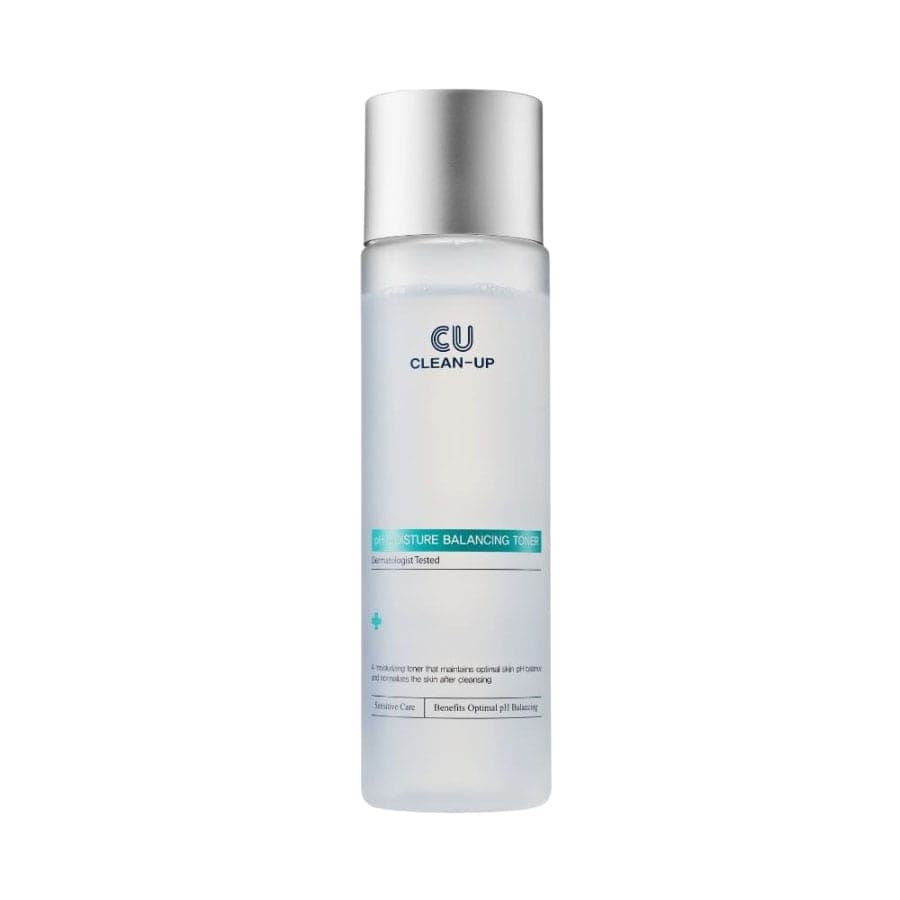
Two. A watery, alcohol-free hydrating layer while the skin is still damp.
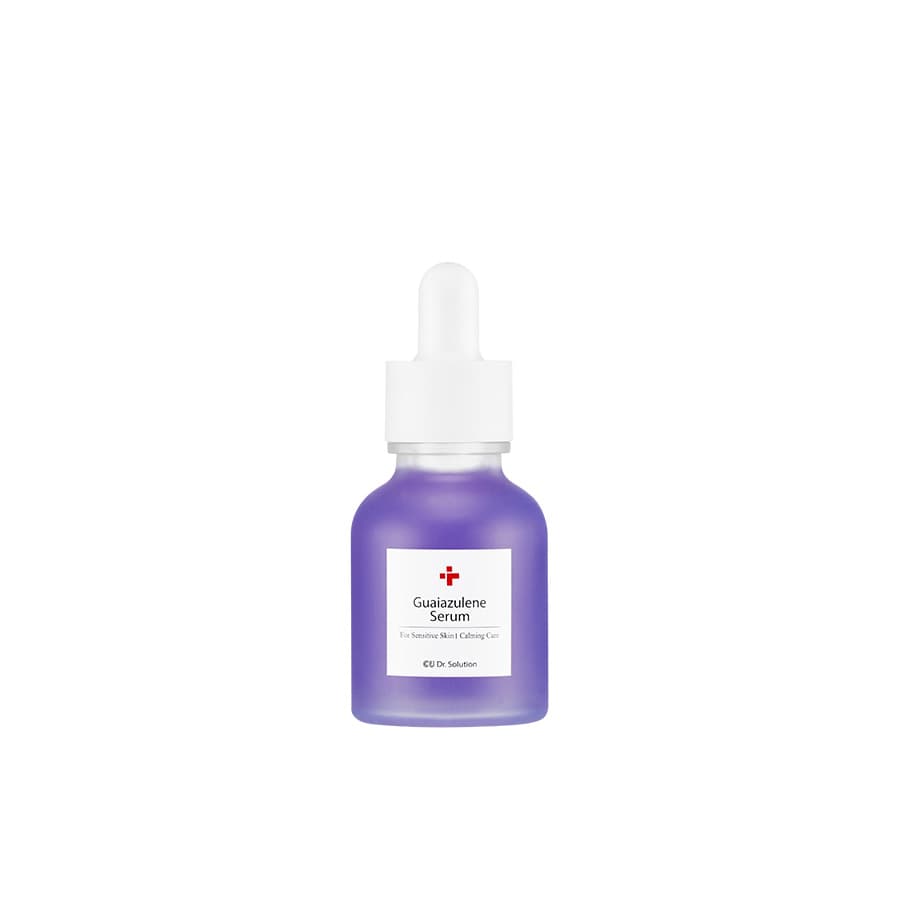
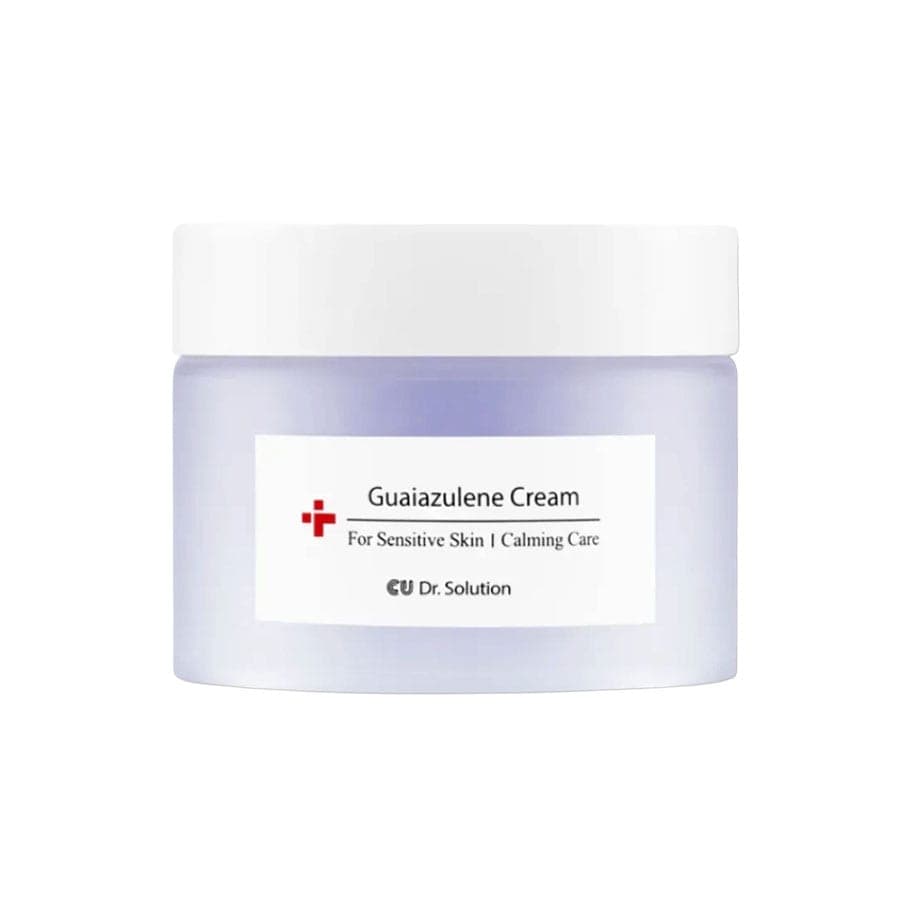
Three. A soothing, barrier-supporting cream. This is where guaiazulene is worth knowing about: it is the deep blue compound derived from chamomile, and its whole reason for being in a formula is to calm the appearance of reactive skin rather than to change it.
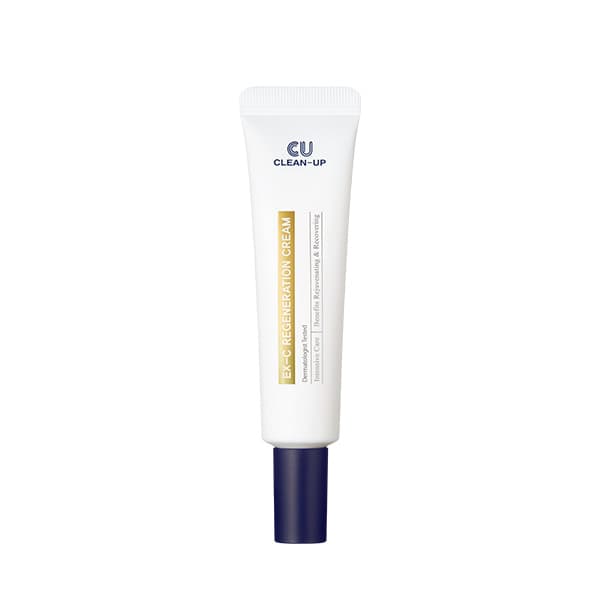
If the stinging follows a clinical procedure specifically, rather than general over-exfoliation, a recovery cream built around ectoin is the closer fit — it holds water without acting on the skin at all.
Not sure where to start?
Get a personalised routine in about a minute — free.
Take the free skin analysisWhat to stop doing, not just what to apply
Products get all the attention here, and habits do most of the damage:
- Hot water. Showers and cleansing. Lukewarm, and keep your face out of the direct stream.
- Anything textured. Washcloths, muslin cloths, cleansing brushes, konjac sponges, exfoliating mitts.
- Layering more than three things. Every additional product is another preservative system, another emulsifier, another chance to react.
- Changing several things at once. If you swap four products and it settles, you have learned nothing about which one was the problem.
- Sheet masks. Fifteen minutes of a wet, occlusive layer against reactive skin, usually with fragrance. Not this fortnight.
Reintroducing, so it does not happen again
After a fortnight of calm, add one product every three days. Apply it on its own first, on one area, at night. If it stings, you have your answer and you have lost three days rather than a month.
The order that tends to hold: moisturiser, then hydrating serums, then niacinamide, then vitamin C, then acids, then retinoids. Which is broadly the same order as the post-laser timeline, for the same reason.
When it is not a barrier problem
Stinging that comes with spreading redness, heat, swelling, blistering, weeping, or pain that is increasing rather than settling is not barrier irritation. Neither is a reaction that appears suddenly to a product you have used for years, with visible hives or eyelid swelling — that pattern suggests an allergic response rather than a barrier one, and it is worth a proper diagnosis rather than a gentler cream.
In either case, contact the clinic that treated you, or your GP.
This article describes general cosmetic skincare practice and is not medical advice. CUSKIN products are cosmetic products. If you have had a procedure, follow the aftercare instructions from the clinician who performed it.
Ingredients mentioned
Frequently asked questions
Is it normal for skincare to sting after a facial?
expand_more
Brief tingling on application that fades within a minute or two is common after an exfoliating facial. Stinging that builds, lasts more than a few minutes, or comes with visible redness or heat is a signal to remove the product and simplify the routine, not something to push through.
What ingredients sting on a damaged skin barrier?
expand_more
The usual culprits, roughly in order: alcohol denat high in the ingredient list, fragrance and essential oils, low-pH actives such as L-ascorbic acid and AHAs, high-strength niacinamide, and menthol or eucalyptus. None of these are bad ingredients. They are simply formulated for a barrier that is doing its job.
How long does a damaged skin barrier take to recover?
expand_more
For mild irritation after a treatment, usually a few days to two weeks with a simplified routine. Longer-standing barrier problems from months of over-exfoliation can take six to eight weeks, and the hardest part is resisting the urge to add a repair product on top of everything already in the routine.
Should I stop using all my skincare if it stings?
expand_more
Reduce rather than stop entirely. A gentle cleanser, a hydrating layer and a barrier cream — three products, twice a day — is enough for the skin to recover, and it also gives you a clean baseline to reintroduce from. Stopping everything including moisturiser tends to make tightness worse.
When should I see a doctor about stinging skin?
expand_more
If stinging comes with spreading redness, heat, swelling, blistering, weeping or pain that increases after the first few days, contact the clinic that treated you. Those are not barrier symptoms. Persistent burning with no visible cause is also worth a dermatologist's opinion rather than another product.