Post-Procedure
What to buy before your appointment: a post-procedure shortlist
The worst time to work out what your skin needs is the evening after a treatment, when it is tight, you are tired, and everything in the cabinet is the wrong thing.
Book a treatment and you will be given a date, a price, and a page of aftercare instructions. What you are not usually given is a shopping list, which is odd, because the fortnight afterwards does as much for your result as the appointment does.
The worst time to work this out is the evening after the treatment: the skin is tight, you are tired, everything in the cabinet has an active in it, and the chemist is closed.
So — five products, sorted beforehand. Then the shorter and more useful list of what people buy that they do not need.
First, ask the clinic two questions
Before buying anything:
- Is a recovery product included? Many clinics send you home with one. If so, you need less than this article suggests, and the two may overlap.
- When can sunscreen go directly on the treated area? The answer varies by procedure and it changes what you need on day one versus day four.
Their instructions take precedence over everything below.
The five
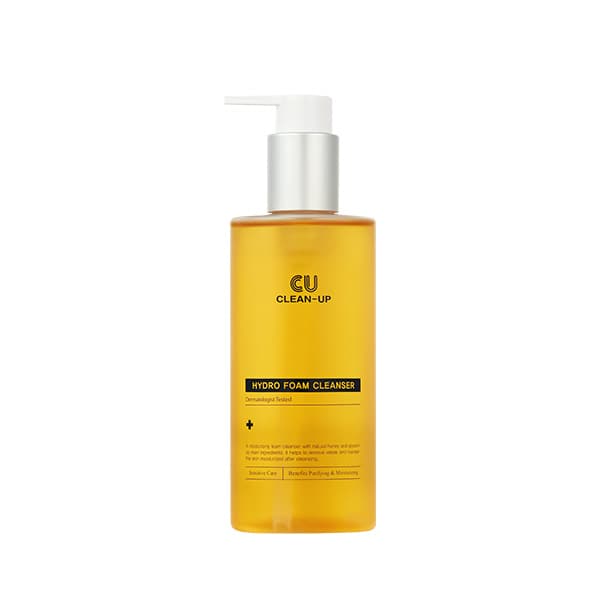
1. A low-foaming cleanser
Not "gentle" as a marketing word — gentle as in low-foaming, fragrance-free, and usable with fingertips alone. You will be cleansing once a day rather than twice, and rinsing with lukewarm water.
2. An alcohol-free hydrating layer
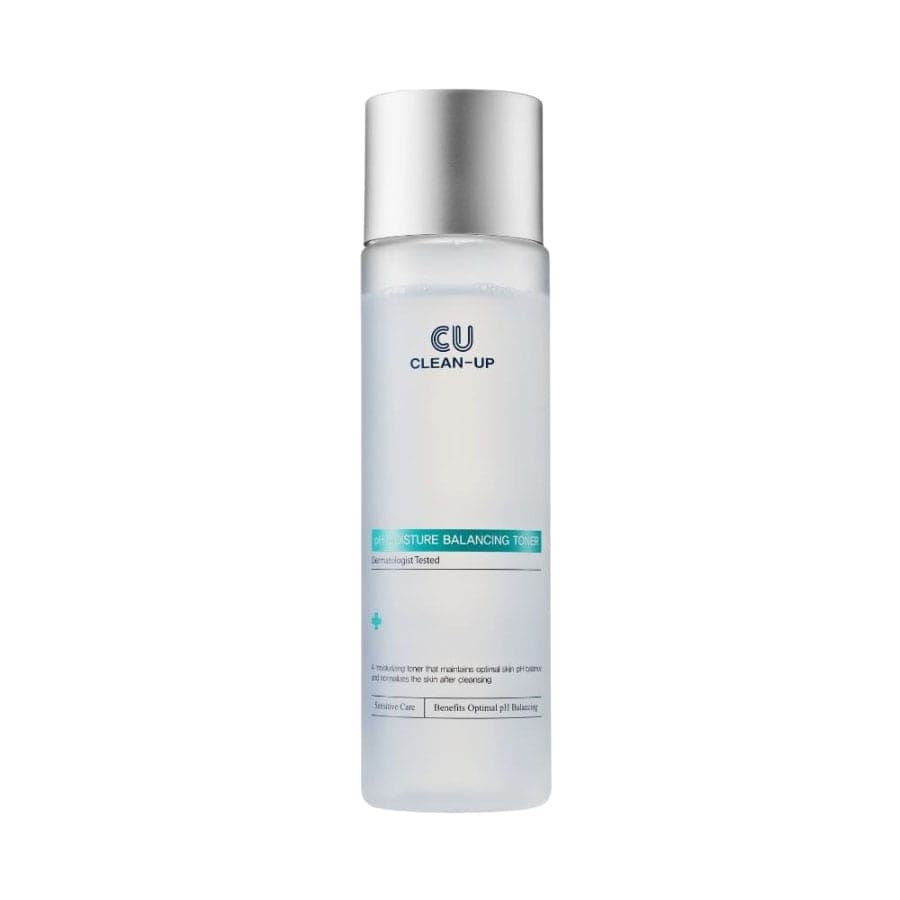
The step that puts water back without asking the skin to process anything. A watery, alcohol-free toner is the simplest form of it, applied to damp skin with flat fingers.
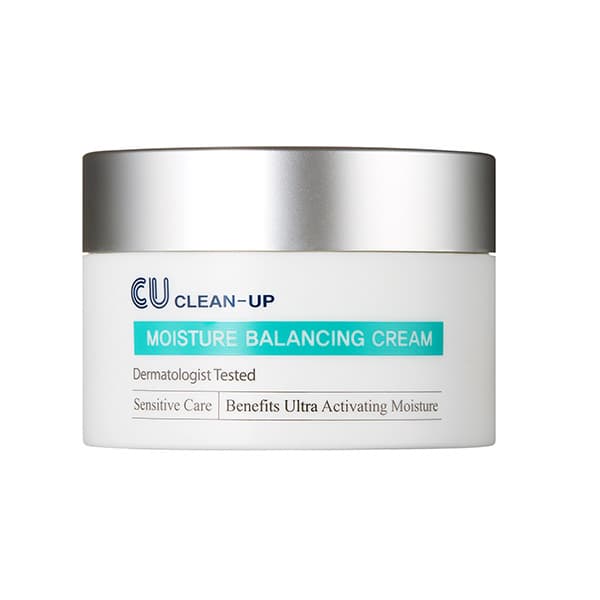
3. A recovery cream — the one that matters
If you buy one thing on this list, buy this one, and buy enough of it. It gets reapplied every time the skin feels tight, which in the first three days is often.
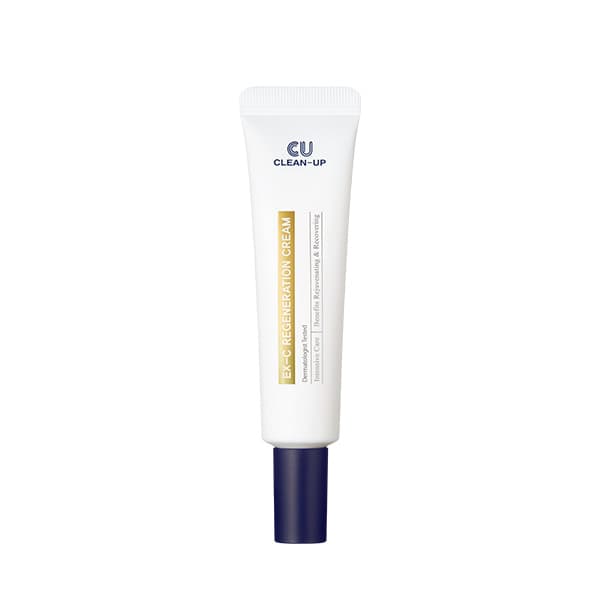
The formulation logic matters here more than usual. Ectoin holds water without acting on the skin at all, ceramide NP is one of the lipids the barrier is built from, and there is nothing in it asking for a response. That is the whole specification for week one, and it is a narrower one than "moisturiser" suggests — there is more on why that mechanism suits recovery.
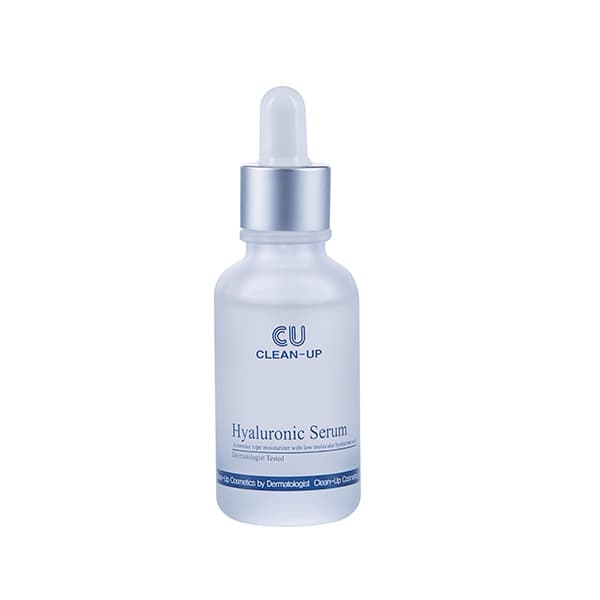
4. A hyaluronic serum — for day three onwards
Not needed immediately. Very useful once the raw stage passes and dryness sets in.
5. Sun protection, and a hat
The one non-negotiable. Post-inflammatory pigmentation is the most common avoidable complication after a procedure, it is far easier to prevent than to correct, and Australian UV is unforgiving about the distinction.
Until the clinic clears sunscreen on the treated area, physical avoidance does the job. A wide-brimmed hat is a legitimate item on this list.
Not sure where to start?
Get a personalised routine in about a minute — free.
Take the free skin analysisAnd one for week two
Not for the appointment week — but worth already owning, because week two is when people improvise and get it wrong. A richer everyday moisturiser, with niacinamide at moisturiser levels rather than active levels, is the right step back toward a normal routine.
What people buy and do not need
Genuinely more useful than the list above:
- A second "repair" serum. Layering two recovery products is not twice the recovery. It is two preservative systems on a barrier that is struggling with one.
- Sheet masks. Fifteen minutes of a wet occlusive layer, usually fragranced, against skin that cannot keep anything out. Later, not now.
- A gentler exfoliant. There is no version of exfoliation that belongs in week one. "Gentle" is not the variable.
- Anything marketed for scarring, in the first fortnight. Scar-oriented products are for a stage that has not started yet, and several of them sting considerably on fresh skin.
- A new cleanser with actives in it. Salicylic acid does not become acceptable because it is in a wash-off product.
The pattern: almost everything on the do-not-need list is something that does something. That is the single distinction worth carrying into the chemist.
Have it out on the bench before you go
Small thing, real difference. Put the four products you will use on day one somewhere visible before you leave for the appointment, and put everything with an active in it somewhere else — a different shelf, a drawer, anywhere that takes a deliberate action to reach.
Day-one skin makes bad decisions with tired hands. The routine that follows is in the day-by-day guide, or the version for microneedling and for peels.
This article describes general cosmetic skincare practice and is not medical advice. CUSKIN products are cosmetic products. If you have had a procedure, follow the aftercare instructions from the clinician who performed it.
Ingredients mentioned
Frequently asked questions
What should I buy before laser treatment?
expand_more
A gentle low-foaming cleanser, an alcohol-free hydrating layer, a barrier-supporting recovery cream, and sun protection you can tolerate. A hyaluronic serum is useful from around day three. Most clinics also sell a recovery product on the day — ask in advance whether it is included, so you are not buying the same thing twice.
Do I need to buy special skincare after a treatment, or can I use what I have?
expand_more
Check what you already own first. Many everyday cleansers and moisturisers are perfectly suitable; the ones that are not tend to contain fragrance, alcohol denat, or an active such as an acid or vitamin C. The gap for most people is not a moisturiser — it is that everything they own does something.
How much post-procedure skincare do I actually need?
expand_more
Less than most people buy, and more of each. A recovery cream gets used far faster than usual because it is reapplied whenever the skin feels tight. Three or four products in adequate quantity beats eight in small ones.
Should I stop my usual skincare before a treatment?
expand_more
Most clinics ask you to stop retinoids several days to a week before, and exfoliating acids a few days before. Follow the instructions from the clinic performing the treatment — they vary by procedure and by how strong your existing routine is.
Is it worth buying a sheet mask for after a procedure?
expand_more
Not for the first week. A sheet mask holds a wet, occlusive layer against the skin for fifteen minutes, usually with a preservative system and often fragrance, and that is not what a compromised barrier wants. They are pleasant later, once the skin has settled.